MK Brand Idents
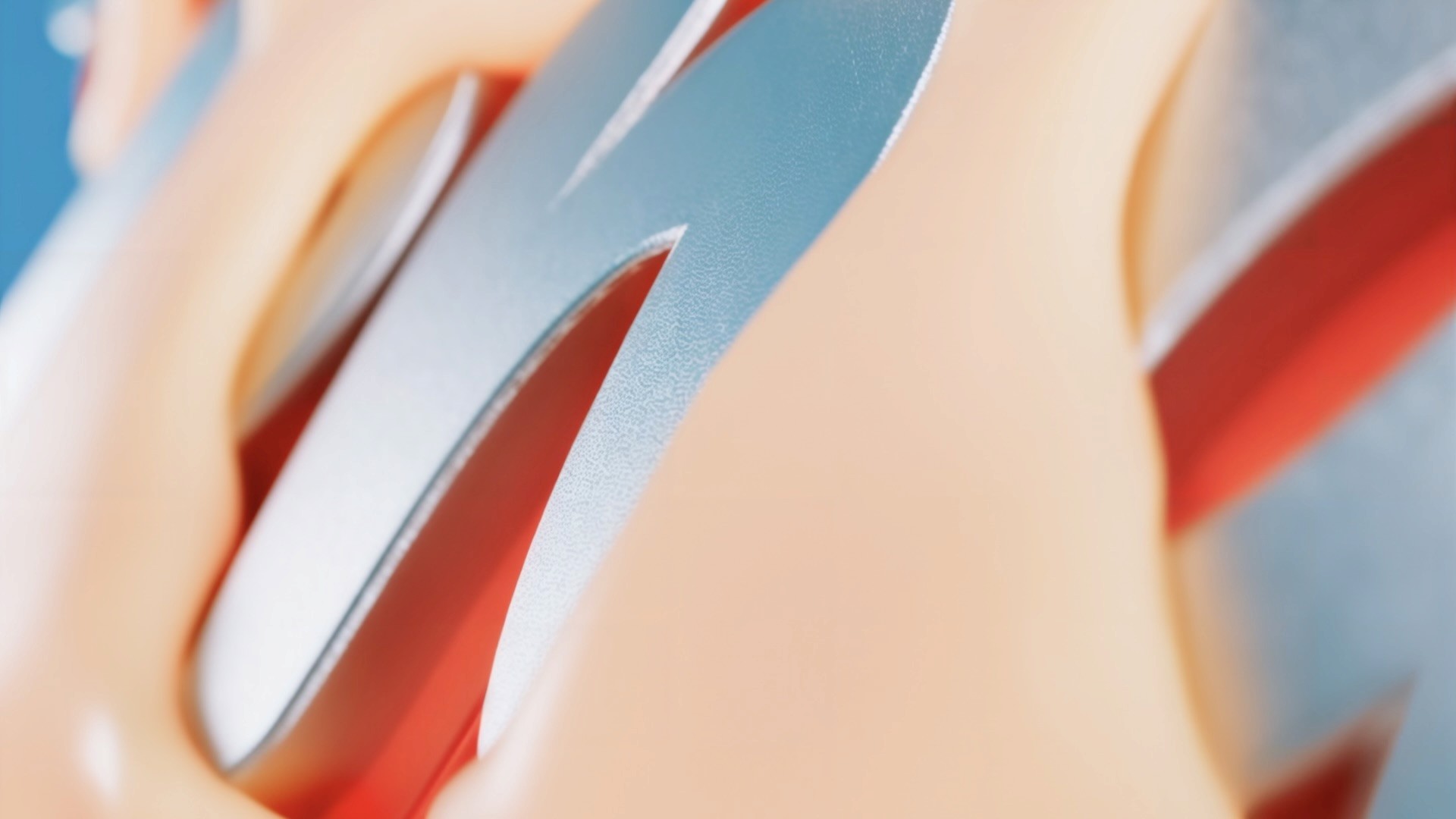
A self-initiated series exploring animation, simulation, materials, lighting, and visual storytelling through the lens of a single evolving design system: my personal logo.
Outcome
The series evolved into an ongoing creative lab that allowed me to test new software, simulation workflows, rendering approaches, and visual ideas outside of client constraints. More importantly, it demonstrated how a single design system can adapt across dramatically different mediums while retaining its core identity. The project continues to serve as a platform for experimentation, learning, and technical exploration.
Role
Concept & Motion Design
Type
Brand
, Experimental/Personal Work
Date
Jan 2026
Tools
Cinema 4D, Redshift, X particles, After Effects, Figma, Illustrator, Z brush
Challenge
As designers and motion artists, it's easy to become associated with a particular style or technique. I wanted to create a project that challenged that tendency by using the single visual constant of my personal logo as a framework for continuous experimentation.
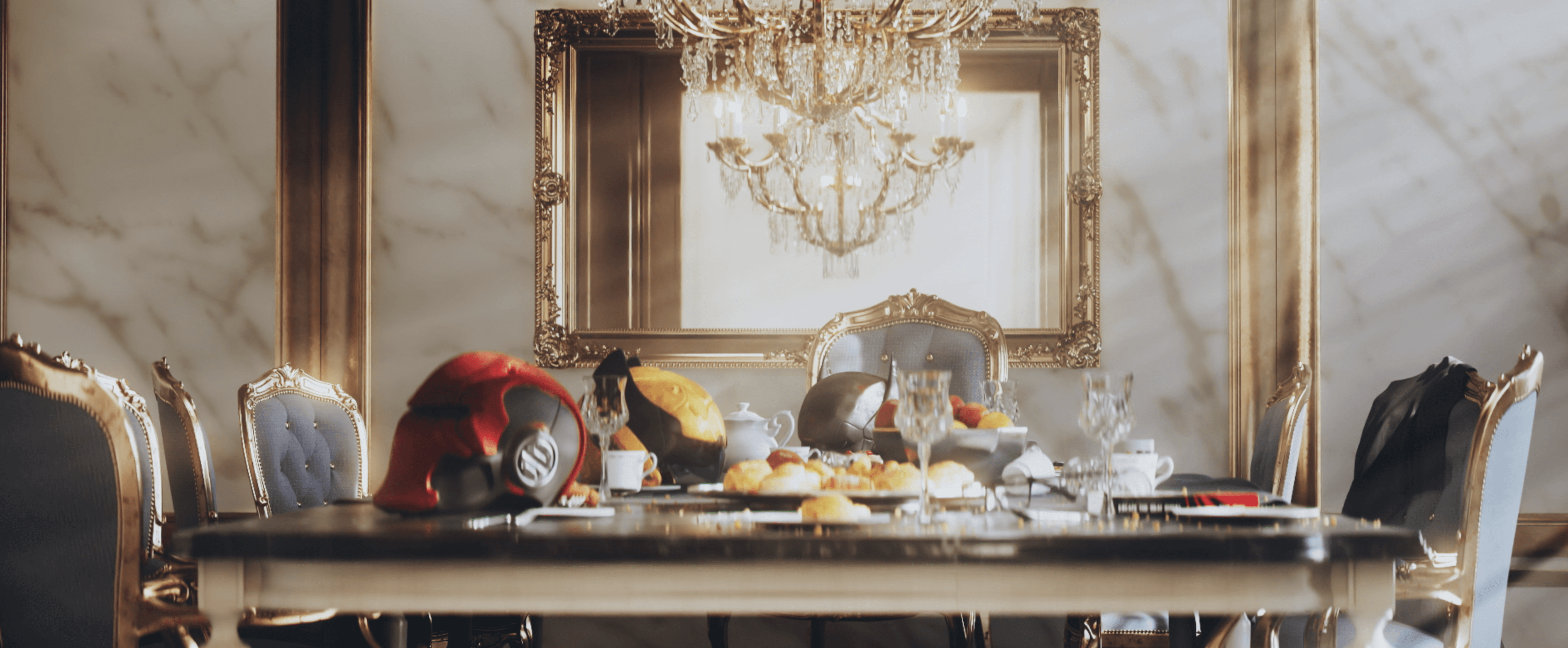
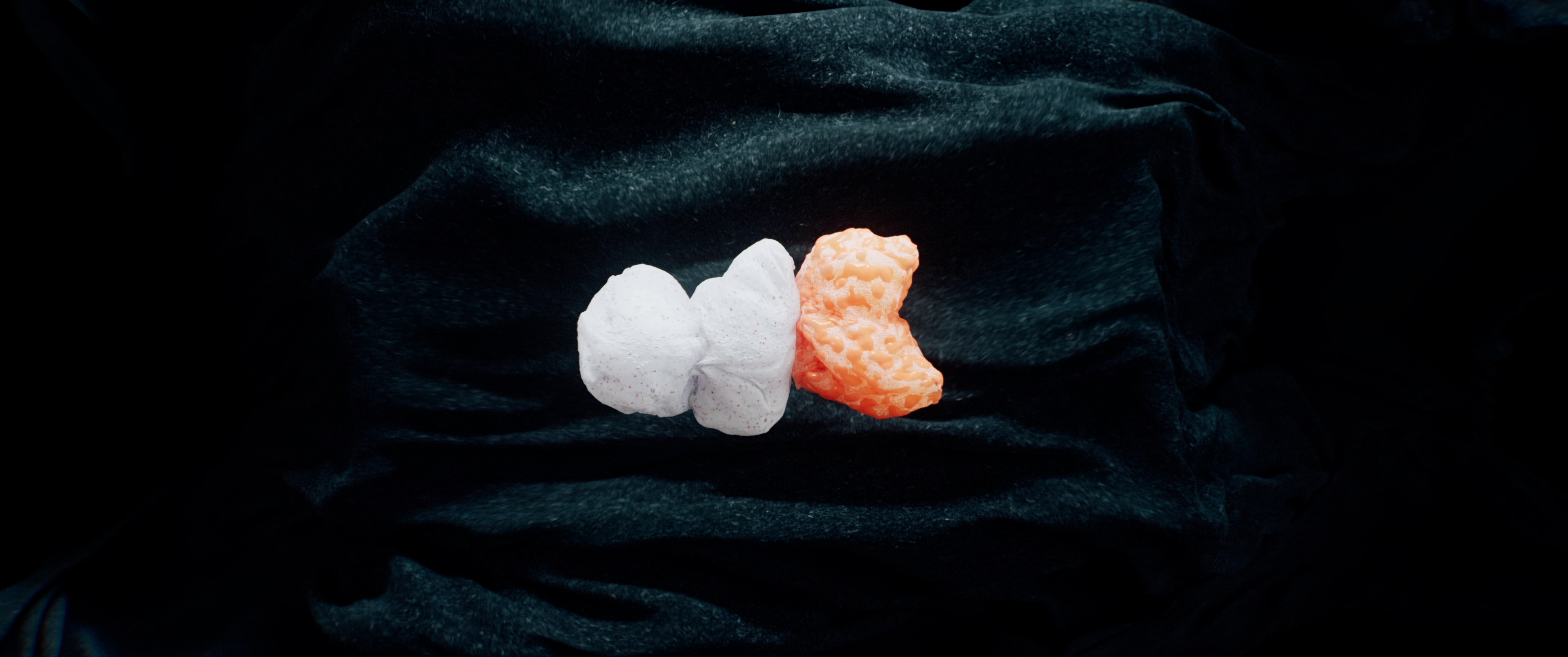
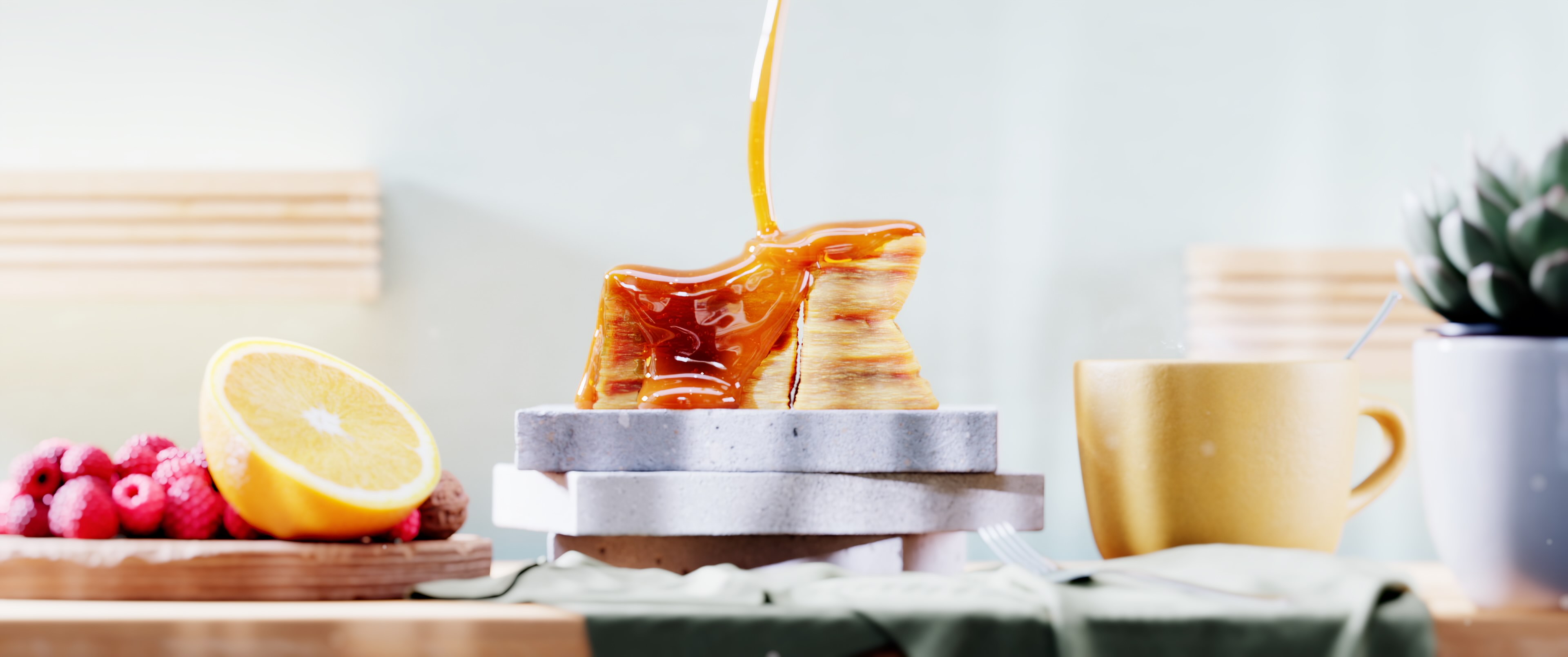
The objective was to explore how the same form could be reinterpreted across different mediums, materials, simulation systems, and visual languages while remaining recognizable. Each piece became an opportunity to investigate new workflows, rendering techniques, and approaches to motion design.

Role
This is a fully self-directed and self-produced project.
I was responsible for:
Concept development
Art direction
3D design and animation
Simulation development
Look development and rendering
Lighting and material exploration
Technical experimentation and R&D
Approach
Rather than creating a single branded animation, I treated the logo as a flexible design system capable of existing across multiple worlds and visual identities.
Each study focused on a specific technical or artistic challenge, exploring questions such as:
How does material influence perception?
How can motion define character?
What happens when the same form is interpreted through radically different visual languages?
How can simulation and procedural systems create unique outcomes while preserving a recognizable identity?
The goal was not consistency of style, but consistency of form.
Process
Each animation served as an independent experiment, exploring different tools, simulation techniques, and rendering workflows.
Areas of exploration included:
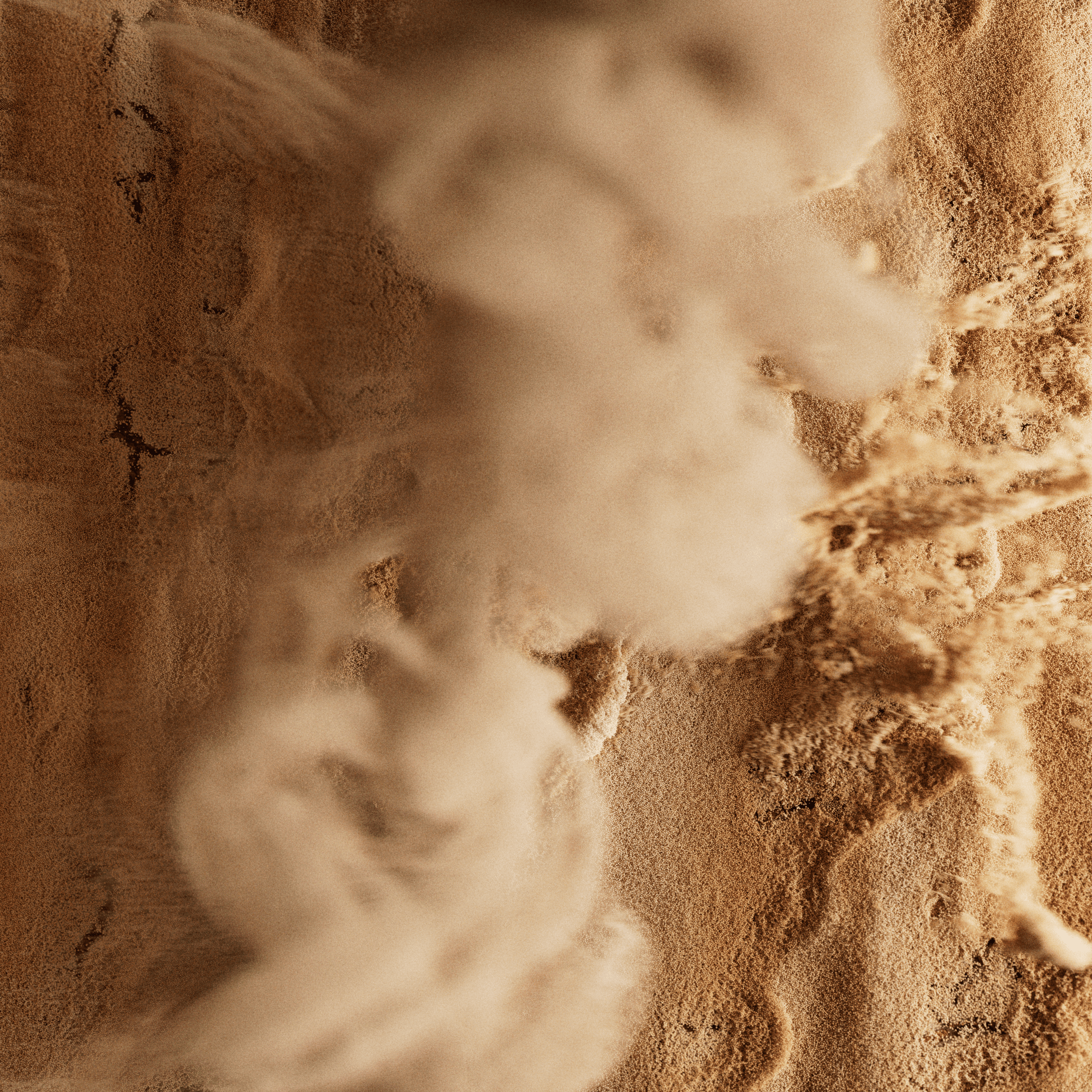
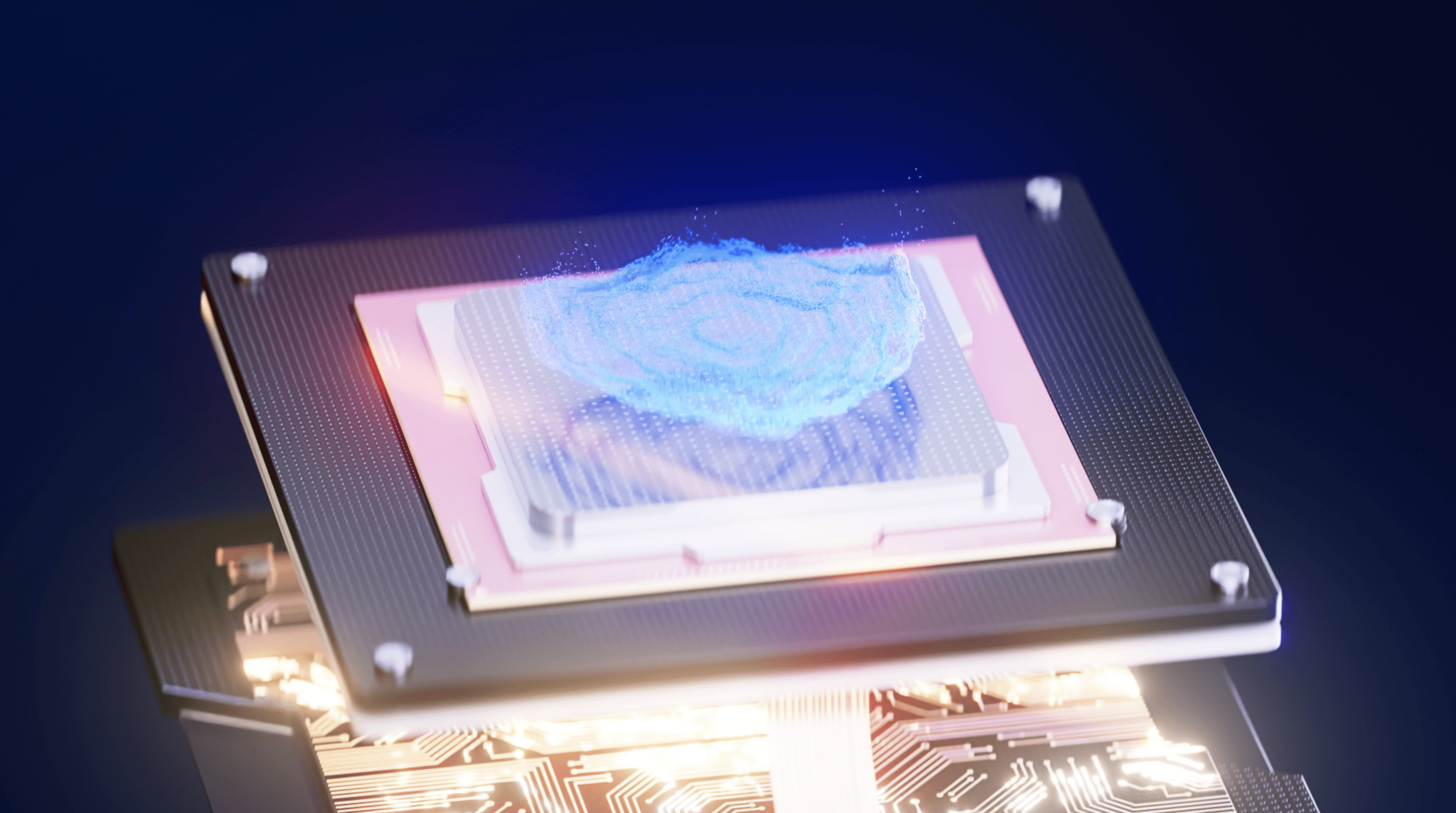
Particle simulations and procedural motion systems
Pyro and volumetric effects
Fluid dynamics and material interaction
Cloth and soft-body simulation
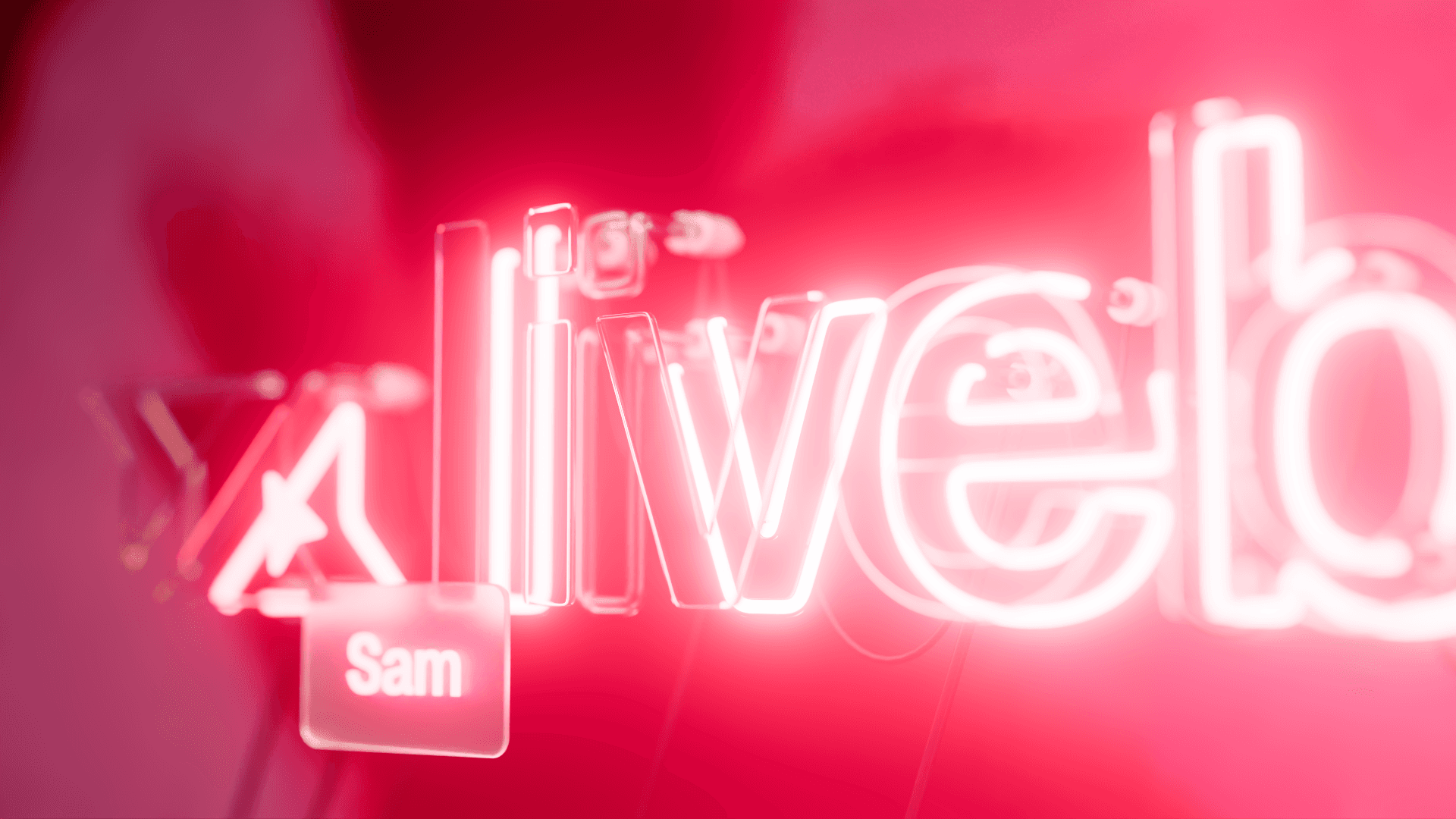
Stylized rendering and hand-crafted visual treatments
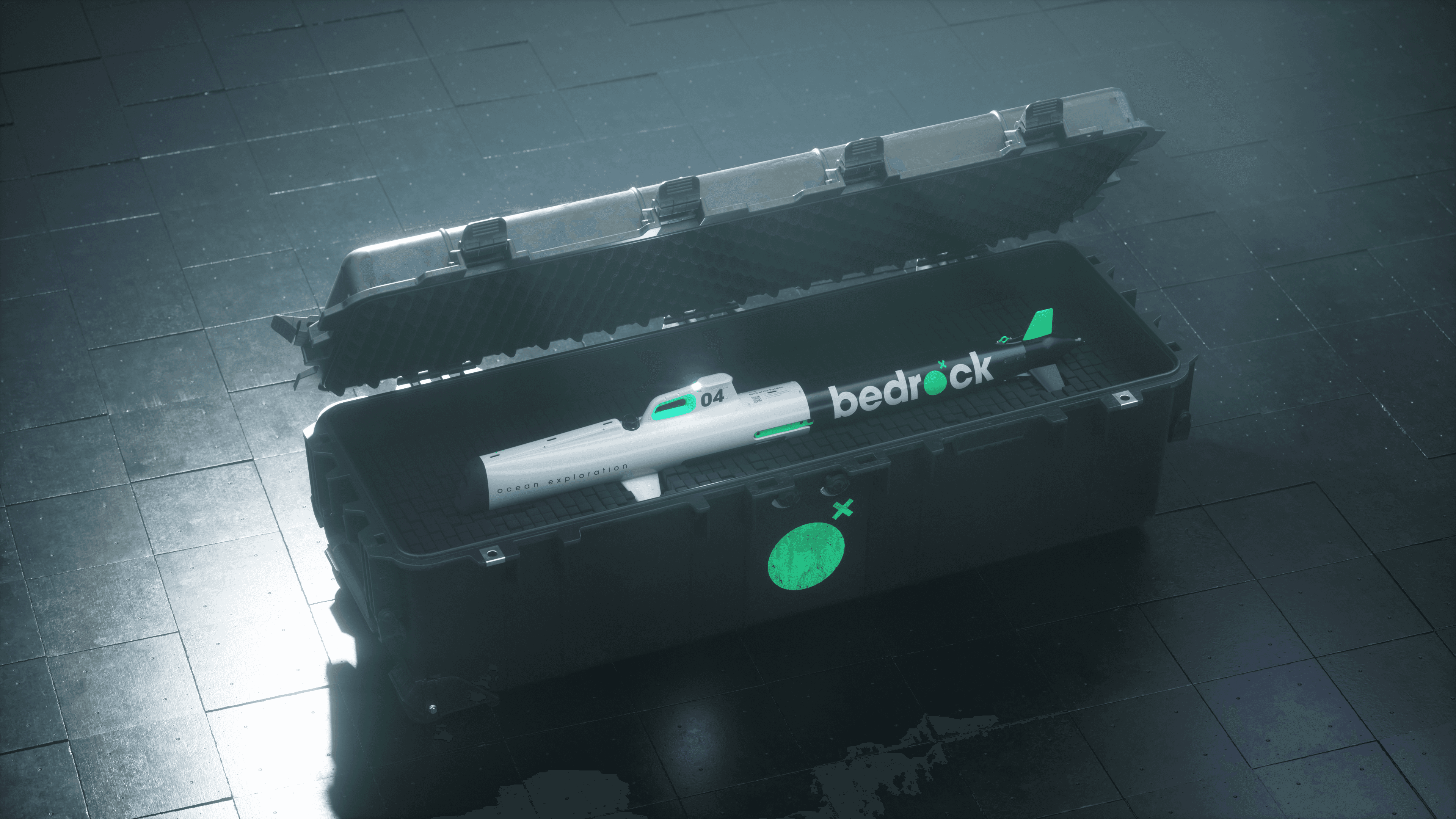
Physically based lighting and material studies
3D printing and physical fabrication
By keeping the underlying form consistent, each piece became a controlled experiment in how materials, motion, and context influence perception.
Reflection
This series reinforced a belief that has shaped much of my work: strong design systems should be adaptable, not rigid.
By revisiting the same form through different techniques, materials, and simulation methods, I was able to explore new creative territory while developing a deeper understanding of motion, perception, and procedural design.