OMI
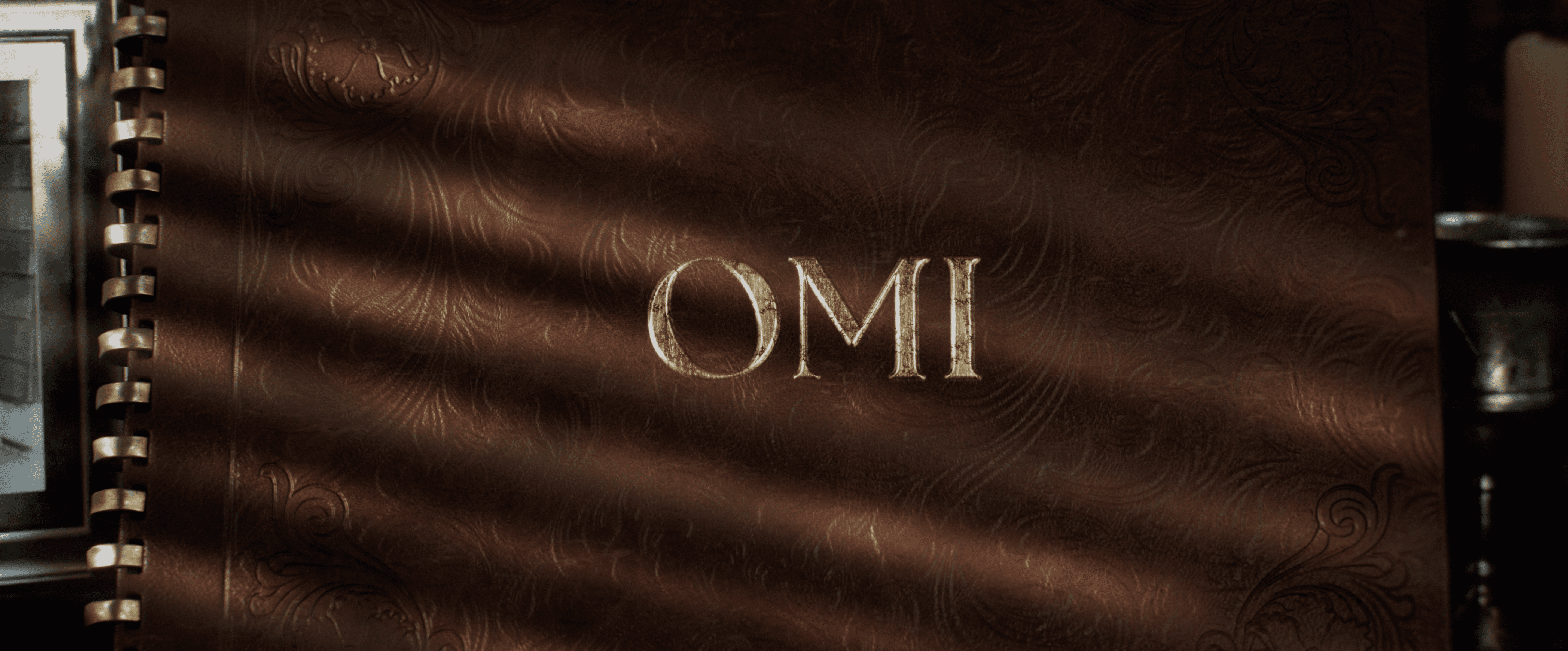
Designed and animated the end credit sequence for the independent feature film Omi, creating an animated scrapbook that honored the film’s themes and cast heritage.
Outcome
The final sequence provided a meaningful closing moment for the film, honoring the real grandmothers behind the cast and crew while reinforcing the story’s central themes of family and identity.
The animated scrapbook served as a cohesive narrative callback, giving the film a thoughtful and resonant conclusion.
Role
Motion Designer
Type
Title Sequence
, 3D Animation
Date
December 2025
Tools
Cinema 4D, Redshift, After Effects, Trapcode Particular, Photoshop
Challenge
Omi, directed by Emily Lerer and written and produced by Adam Lebowitz-Lockard, is a character-driven comedy centered on identity, family, and generational legacy.
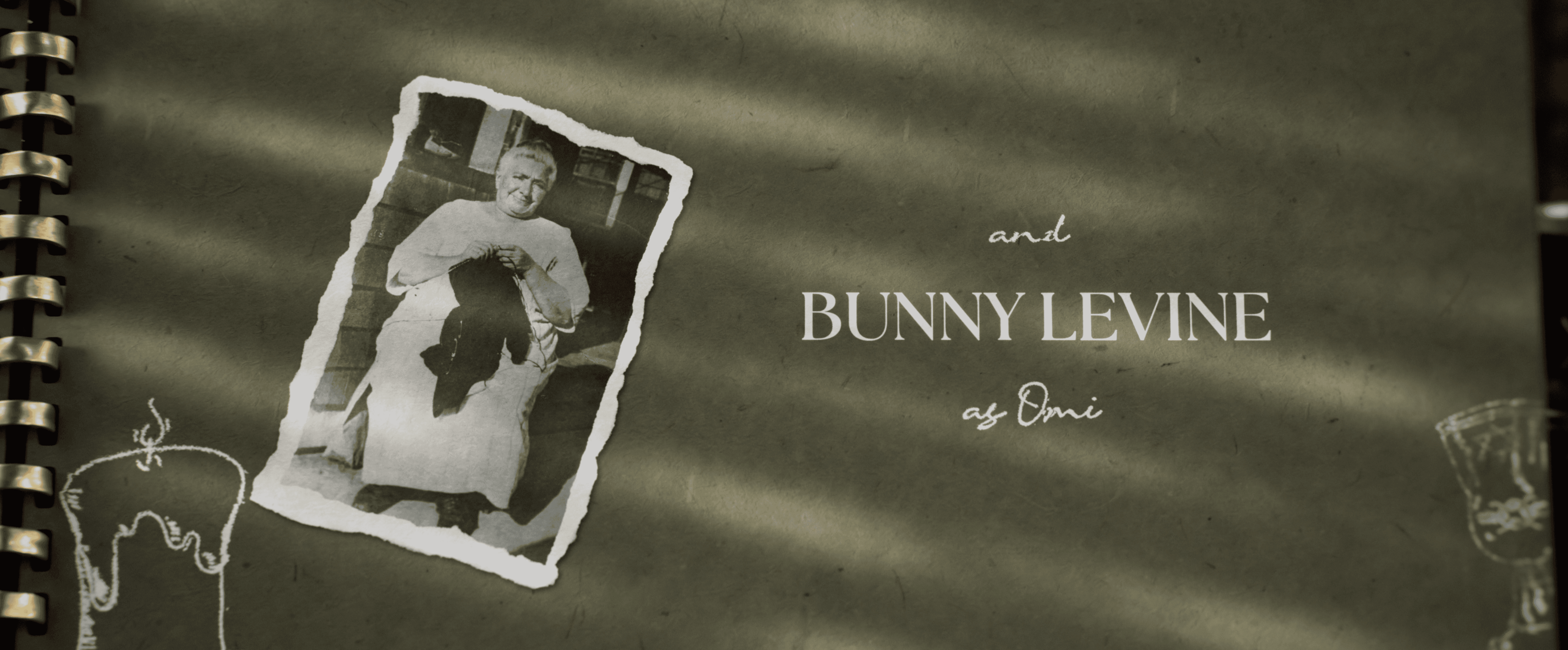
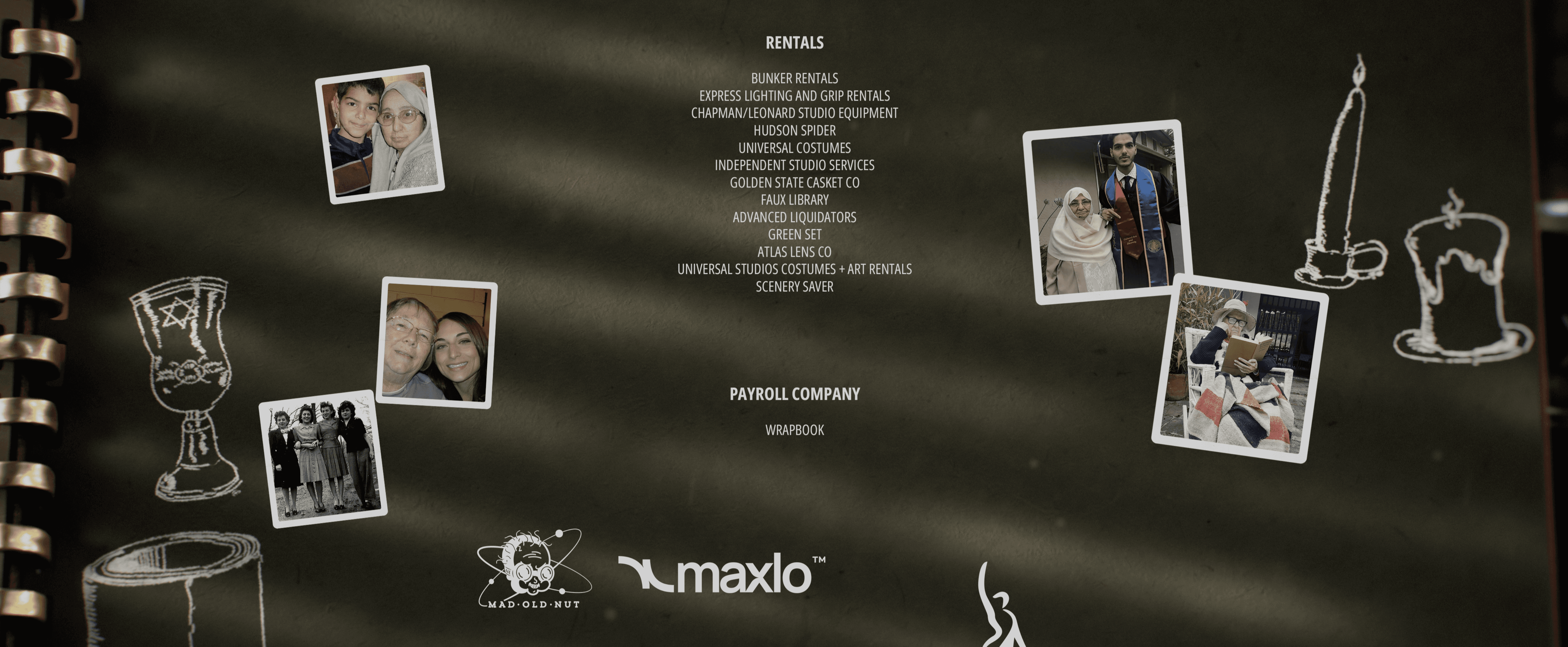
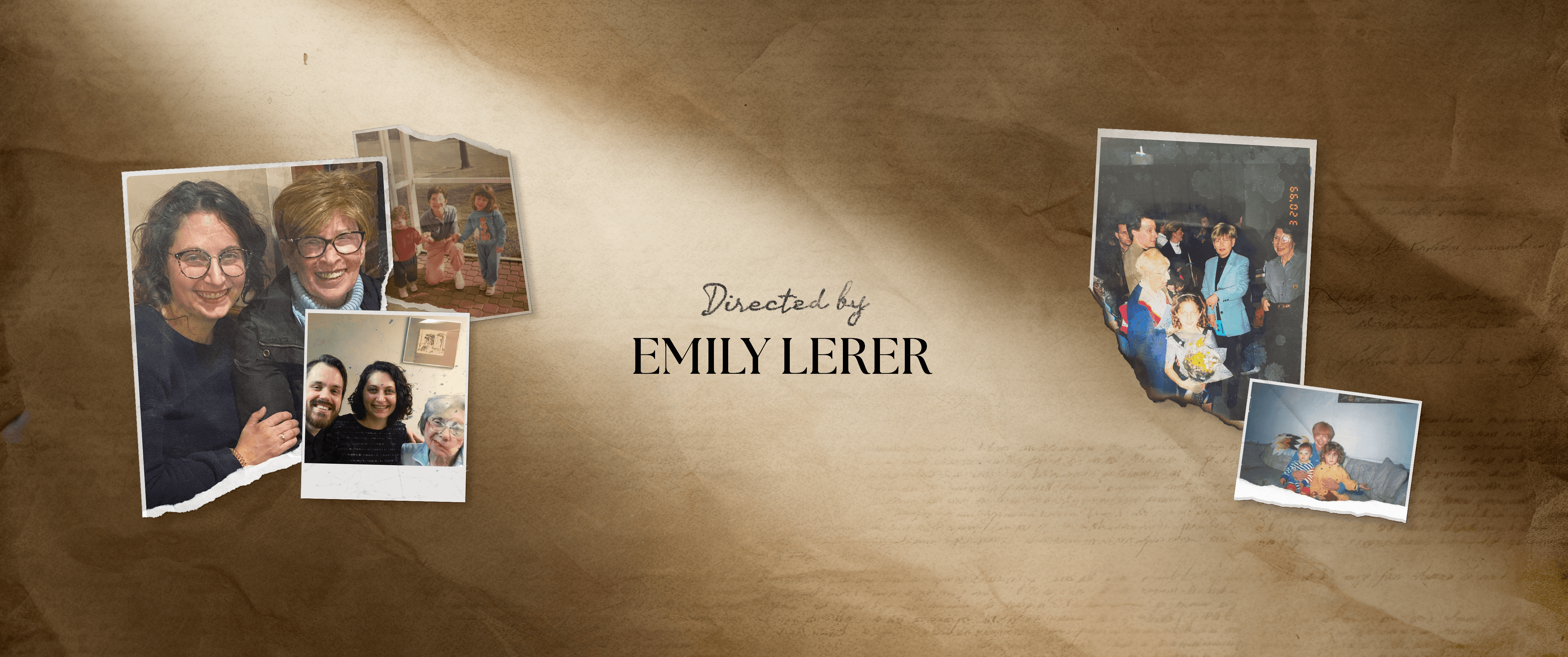
For the end credits, I was asked to design a sequence that incorporated real photos of the cast and crew’s grandmothers. The challenge was to create something heartfelt and cohesive. A sequence that felt emotionally aligned with the story rather than visually detached from it.
The credits needed to celebrate heritage while maintaining cinematic polish.
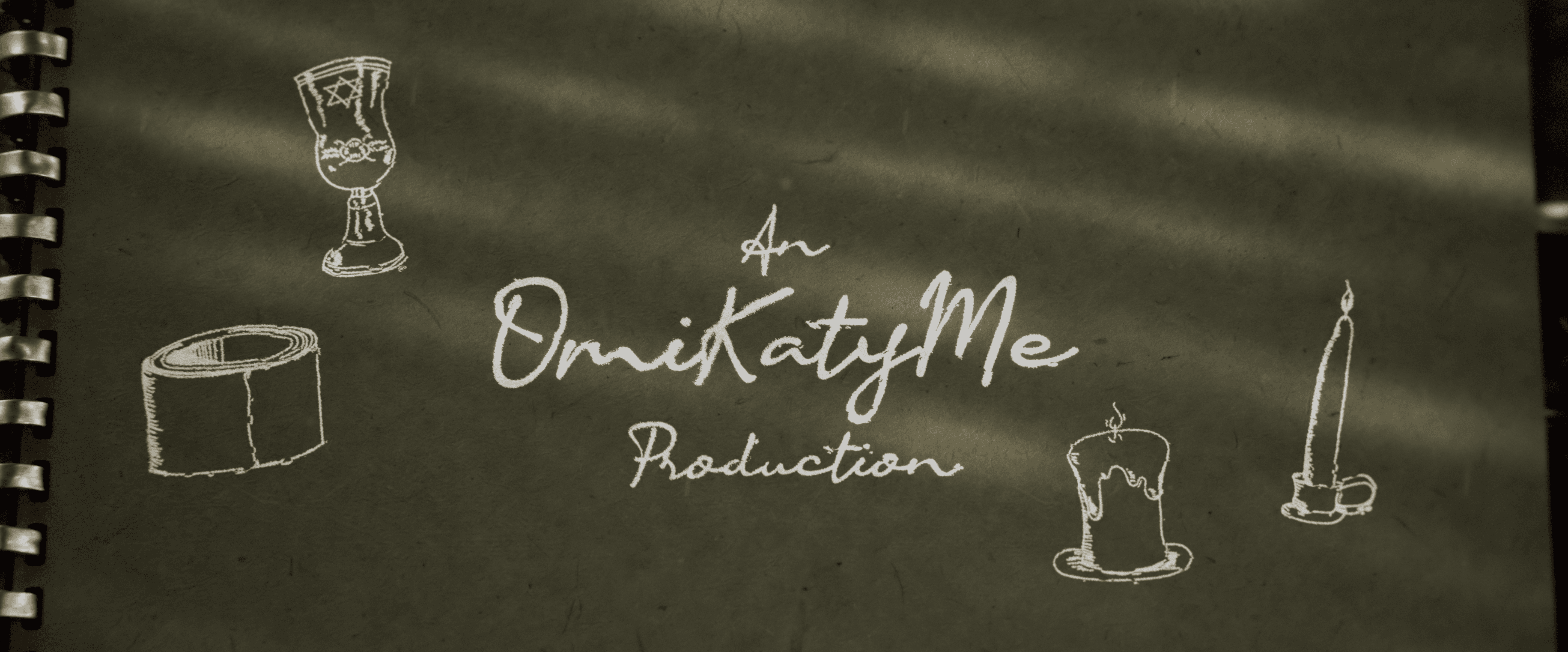
Role
I was responsible for:
Concept development for the end credit sequence
Designing and animating the visual system
Integrating archival photographs into a cohesive animated narrative
Ensuring visual continuity with the film’s tone and opening scene
Approach
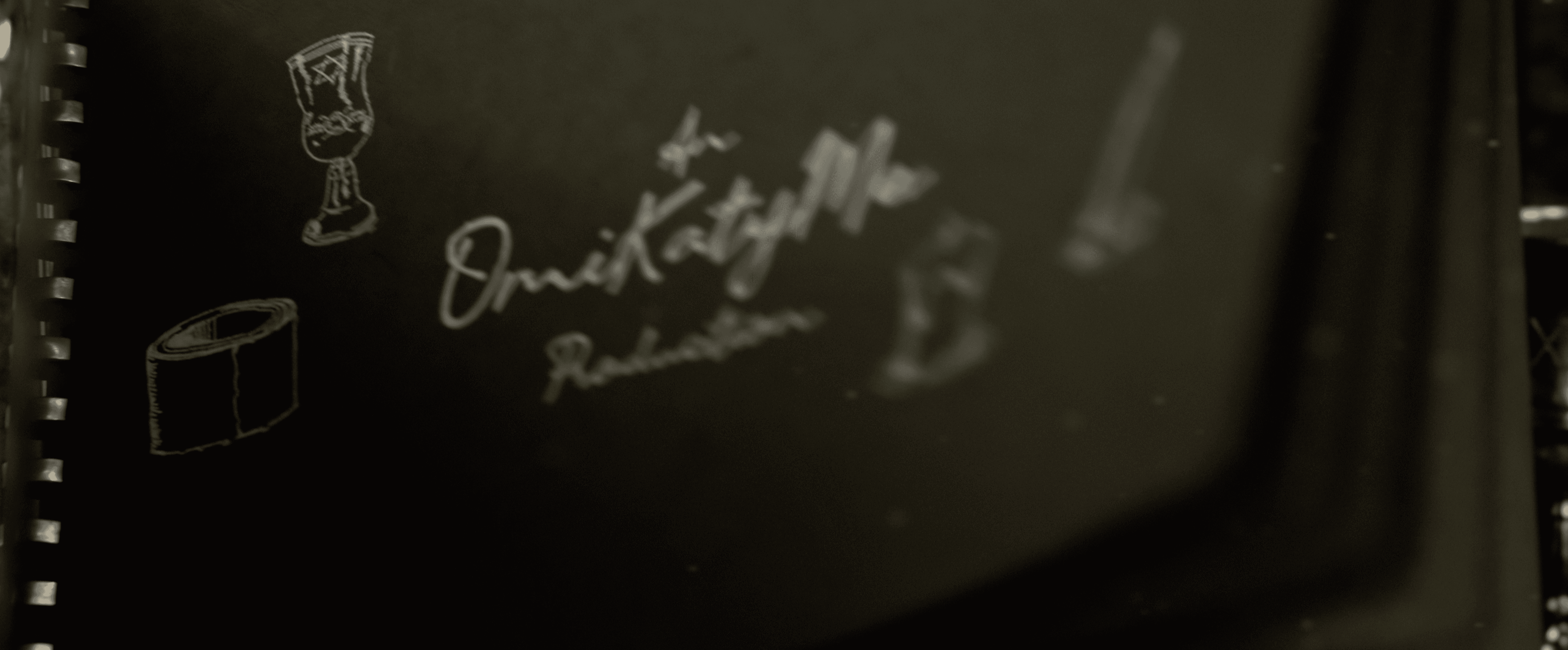
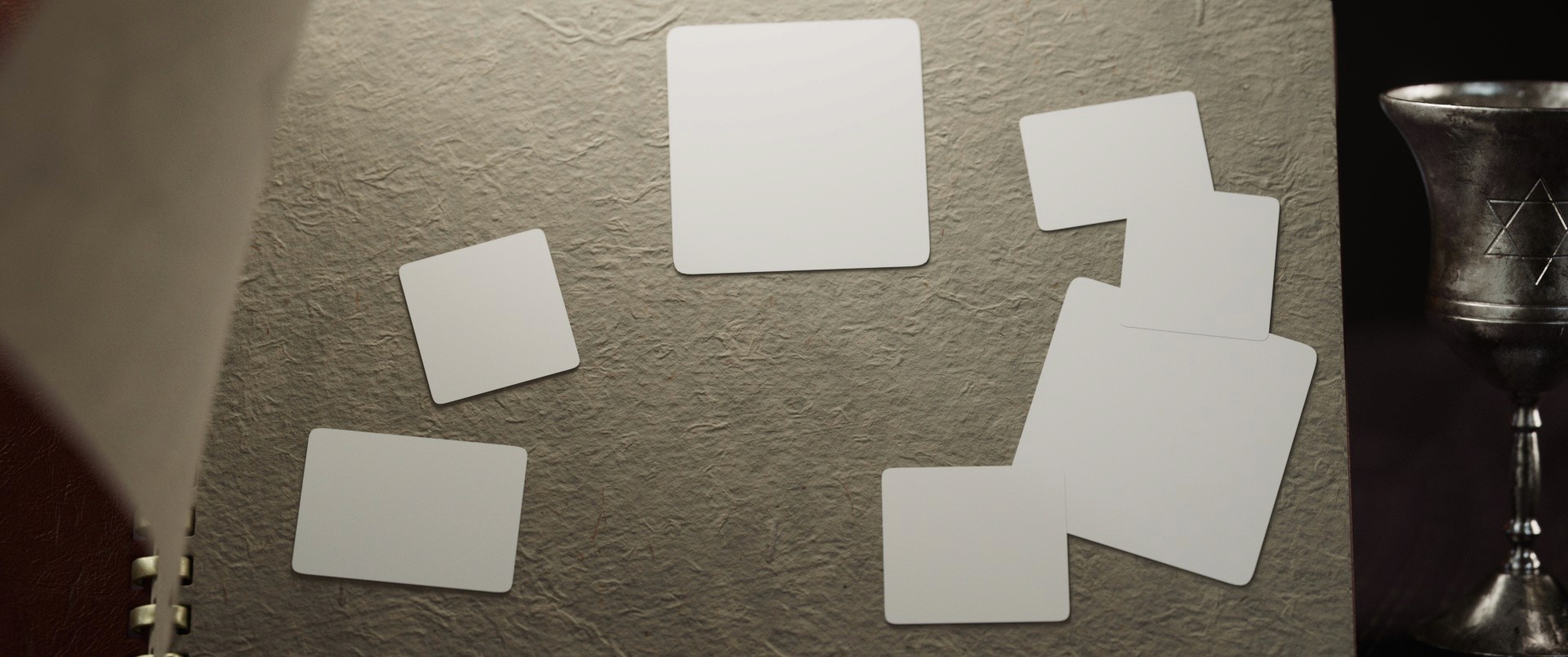
Rather than presenting the images as a static slideshow, I developed the concept of an animated scrapbook, a tactile, memory-driven visual language that echoed the film’s themes of ancestry and generational connection.
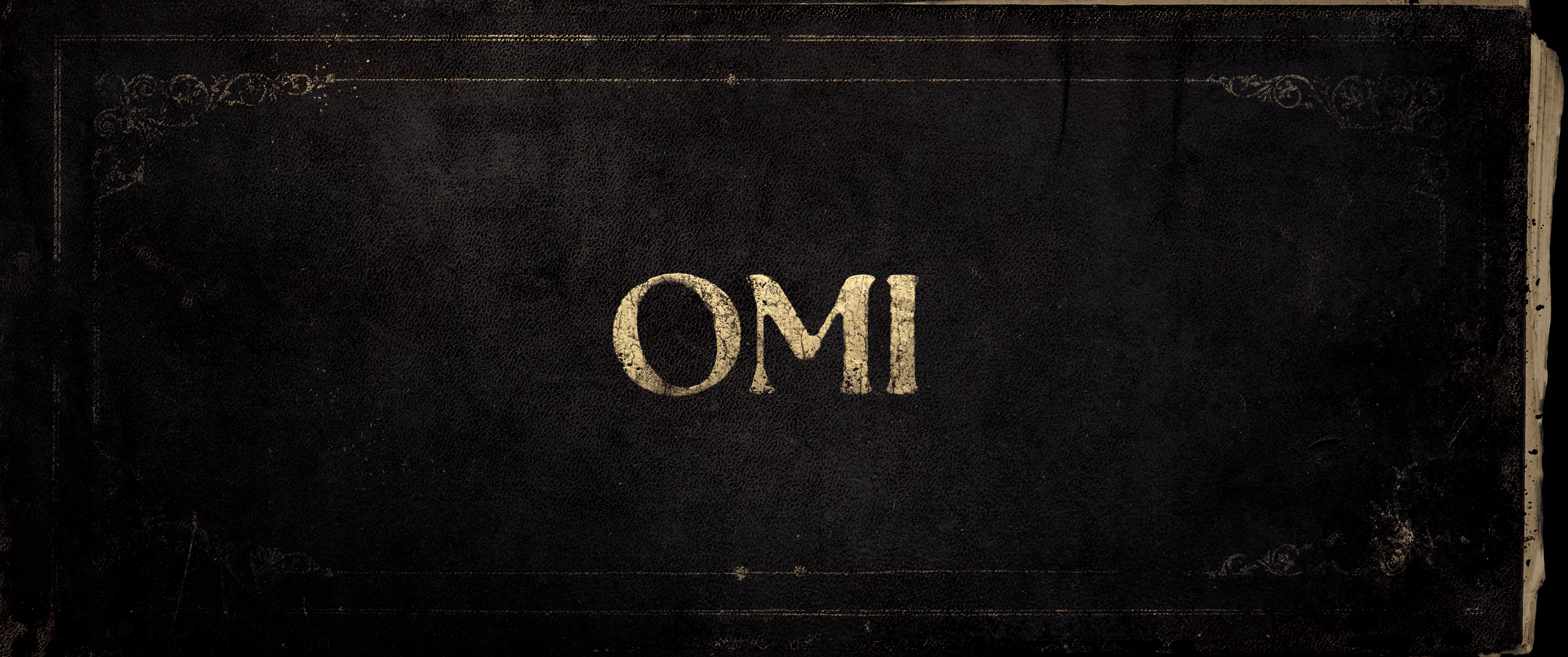
The design intentionally referenced visual motifs from the opening scene, creating a narrative bookend that tied the story together.
The goal was subtlety and warmth.
Process
I began by concepting key frames in Photoshop to establish tone, composition, and overall direction before transitioning into full 3D production.
Using Cinema 4D and Redshift, I:
Built and animated the book as a fully realized 3D object
Designed page-turn mechanics and camera choreography to support narrative flow
Treated the book itself as a storytelling device rather than a static container
To support evolving credits and layout variations, I developed a procedural texture and layout framework that:
Allowed page designs to update dynamically
Enabled rapid iteration as names and imagery changed
Maintained visual consistency across the entire sequence
This systems-driven approach ensured flexibility without compromising the handcrafted scrapbook aesthetic.
Reflection
This project reinforced the importance of tone and narrative alignment in motion design. Not every sequence demands technical spectacle. Sometimes the strongest design decision is restraint and emotional clarity.